Can condensation cause mould?
Blog Categories
This Articles Tagged Categories
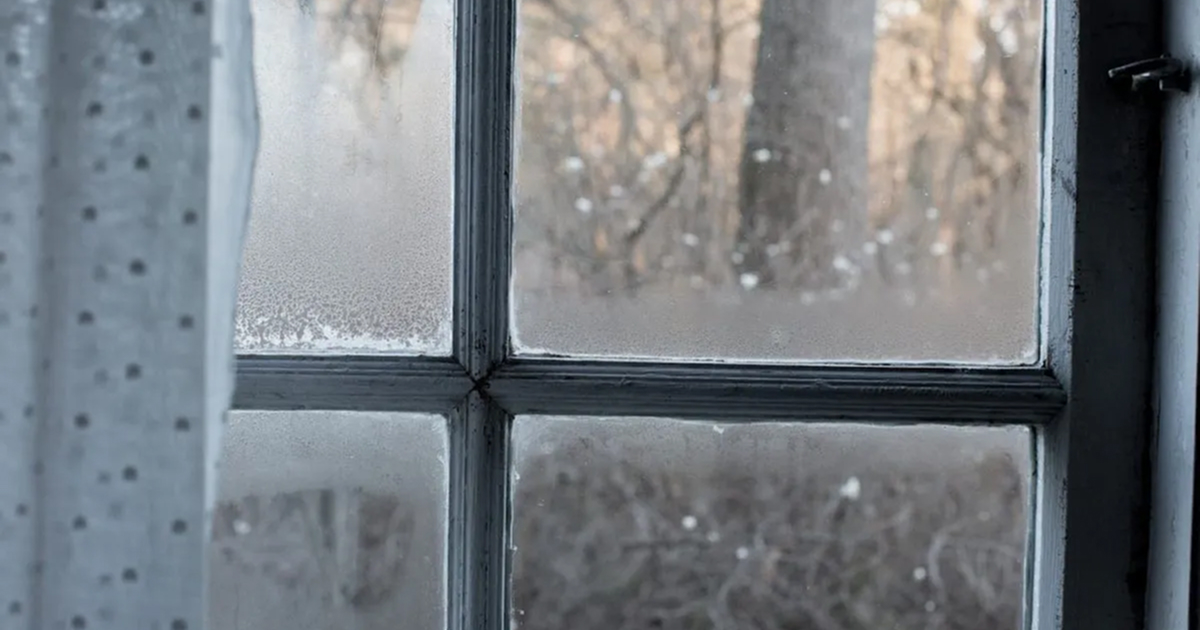
Yes, condensation can lead to mould in your house. If you are you noticing moisture on your walls or expanding dark patches on various surfaces inside your home, then this could be condensation causing mould. These could be indicators of mould presence, a common issue in many households that may pose health risks. In this article, we’ll delve into the reasons behind mould formation, with a specific focus on whether condensation plays a role in this problem.
Demystifying condensation
Have you ever observed how a cold drink gets beads of water on its surface during a hot day, or why your bathroom mirror steams up following a shower? This is the result of condensation, a natural process where water vapour converts into liquid on encountering a cooler surface or atmosphere.
This is responsible for the morning dew on plants, fogging up of windows in chilly weather, and even cloud formation. By understanding condensation, we gain a deeper understanding of these everyday occurrences.
Condensation’s role in mould development in homes and buildings
Noticeable dark spots or fuzzy areas on your home’s walls or ceiling often signal mould growth, commonly triggered by condensation. This happens when warm, humid air contacts cooler surfaces, converting moisture in the air into water droplets. These droplets can seep into surfaces, creating ideal conditions for mould to flourish. Preventing mould involves maintaining a dry, well-ventilated environment in your home.
Spotting mould in your home
Mould can quietly infiltrate your home, affecting both your well-being and the structural health of your residence. Key signs to watch for include a musty smell, visible stains or discolouration on surfaces, or areas prone to moisture build-up. Mould may also trigger allergic reactions, so be aware of symptoms like itching or sneezing that worsen at home.
How to reduce condensation in your home
Waking up to damp windows or walls is a sign of condensation, a process that can damage your home and encourage mould and mildew growth. Combat this by enhancing ventilation, especially in moisture-rich areas like kitchens and bathrooms. Lowering humidity and airing out your space regularly are effective strategies. Additionally, insulating walls and windows helps maintain surface temperatures, reducing condensation.
Here’s a list of great tips on how to reduce condensation in your home:
- Improve Ventilation: Ensure good air circulation throughout your home, especially in high-moisture areas like the kitchen and bathroom. Use exhaust fans or open windows when cooking or showering to expel moist air and reduce condensation.
- Maintain Consistent Indoor Temperatures: Keeping your home at a steady, warm temperature can help. When surfaces are warm, there’s less likelihood of warm air condensing upon them. Central heating or programmable thermostats can assist in maintaining a consistent temperature.
- Insulate Your Home: Proper insulation, especially in the loft and walls, can keep the internal surfaces of your home warmer. This reduces the chances of warm air condensing on cold surfaces. Also, consider double-glazing for windows to reduce condensation on glass.
- Dry Clothes Outdoors or in Well-Ventilated Areas: Drying clothes indoors can significantly increase humidity levels. Whenever possible, dry clothes outside. If you must dry clothes indoors, do it in a well-ventilated area away from living spaces, and avoid placing them on radiators.
Condensation can also cause health problems
Condensation can cause runny noses, sore throats, and coughing on the lower end of the scale; however, some people will suffer somewhat more severe symptoms, potentially progressing to rhinitis and sinusitis, which will require treatment. In more severe situations, black mould has caused major respiratory problems and, in rare cases, mortality.
Learn more about condensation and health problems in our blog on ‘Can condensation cause health problems?’
Proactive mould prevention tactics
Tackling mould before it starts is crucial.
- Keep your home dry and airy; mould thrives in damp environments.
- Use air conditioning to control humidity, promptly repair leaks, and ensure wet items like bath mats are dried thoroughly before reuse.
These preventative steps are key in maintaining a mould-free home.
Expert mould removal solutions
Persistent mould problems can be frustrating, but professional solutions offer a permanent fix.
Specialists in mould remediation use advanced techniques and equipment to pinpoint the cause and provide tailored solutions. Opting for a professional approach saves time and ensures a safe, effective resolution to mould issues. Reach out to Dwelling Doctors here, to receive professional help in the UK.
Understanding the connection between condensation and mould is crucial for homeowners. Implementing strategies to manage condensation and adopting preventive measures are vital steps in addressing mould concerns.
If mould issues are suspected, it’s advisable to consult professionals who can assess the situation and recommend effective remedies. Proactive engagement with these challenges helps safeguard your home from harmful pollutants, enabling a healthier living environment. Let’s work together to conquer mould!
Article Author

Scott Evans
Scott Evans is the founder and CEO of Dwelling Doctors