Can condensation damage my property’s structure?
Blog Categories
This Articles Tagged Categories
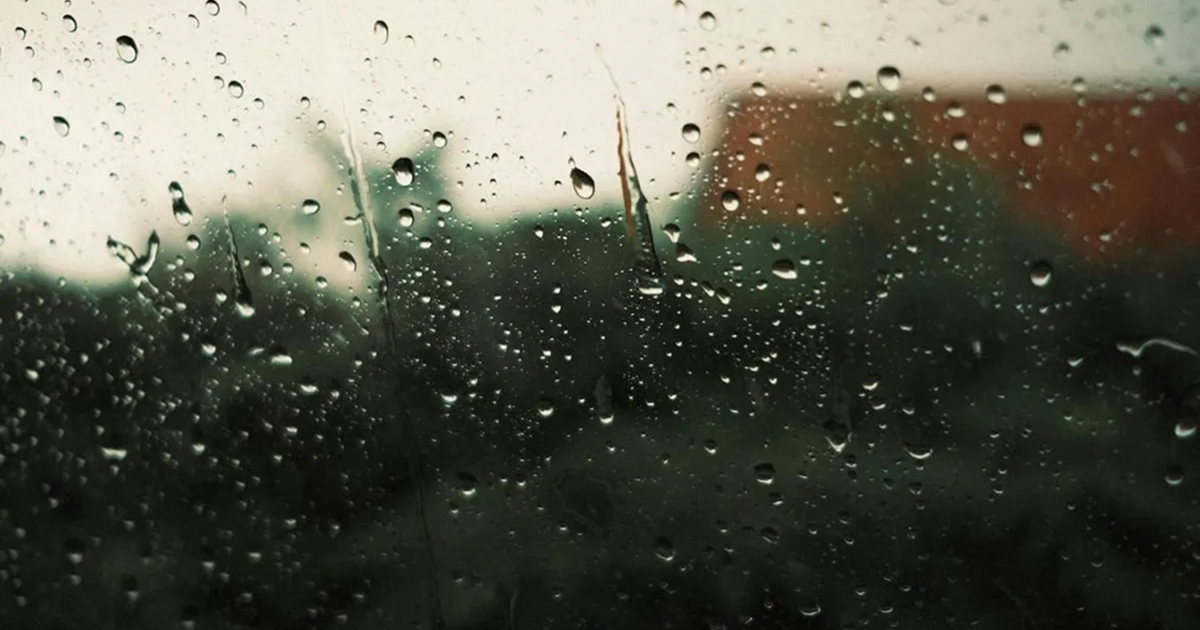
Condensation is often seen as a minor inconvenience - those droplets of water that form on the inside of your windows during cold weather. However, for homeowners and property managers in the UK, ignoring this seemingly harmless issue could lead to significant structural damage over time. This blog post aims to demystify the connection between condensation and property damage, providing you with useful insights and preventive measures that could safeguard your investment.
Understanding condensation and its causes
Condensation occurs when warm, moist air comes into contact with cooler surfaces. This is common in the UK’s climate, where cold winters are paired with indoor heating. The transition of state from gas (vapour) to liquid results in water droplets forming on windows, walls, and ceilings.
In many cases, condensation is due to insufficient ventilation. Homes are now built airtight to conserve energy, which inadvertently traps moisture indoors. Cooking, showering, and even breathing contribute to increased humidity, exacerbating the problem. Property managers should note that poor insulation also plays a role, as it leads to temperature imbalances within a building’s structure.
Addressing these underlying causes can help mitigate condensation issues. By understanding where it originates, you can take effective measures to reduce its impact on your property.
Signs of condensation damage in homes
The first sign of condensation issues is often visible dampness on walls and ceilings. Over time, this can lead to mould growth, which not only damages paintwork but can also undermine wall plaster.
Another symptom to look out for is peeling wallpaper or paint. This occurs as the moisture weakens adhesive bonds, causing decorative finishes to become detached. It’s essential for homeowners to pay attention to these subtle indicators before they escalate into more severe problems.
In more advanced stages, condensation can cause structural decay. Persistent moisture exposure to timber elements, such as floor joists, can result in wood rot. This compromises the integrity of the building and requires costly repairs.
The role of climate in condensation problems
The UK’s climate is particularly conducive to condensation. Our damp, cold weather means that homes are frequently heated, creating the perfect breeding ground for condensation. This is especially problematic in older properties with less effective insulation.
In coastal areas, higher levels of humidity present additional challenges. These regions experience greater levels of moisture, increasing the likelihood of condensation-related damage. For property managers, understanding the local climate is crucial when assessing potential risks.
To combat these challenges, consider investing in dehumidifiers and improving insulation. These measures can help maintain a stable indoor environment, reducing the likelihood of condensation forming.
Why condensation can lead to mould and mildew
Mould and mildew thrive in moist environments. Condensation provides the moisture these fungi need to grow, transforming your home into a breeding ground for spores.
Once established, mould can spread rapidly, damaging wallpaper, paint, and even the plaster beneath. This not only impacts the aesthetic appeal of your property but can also affect structural integrity if left unchecked.
For property managers, mould growth can decrease the value of a property, making it less attractive to potential tenants or buyers. Addressing condensation promptly is key to preventing this issue from taking hold.
Impact of condensation on building materials
Building materials are not immune to the effects of condensation. Persistent exposure to moisture can weaken structural elements over time. Timber, for instance, is highly susceptible to rot when damp, leading to compromised flooring and support beams.
Brick and masonry can also suffer from prolonged moisture exposure. Water infiltrates these materials, causing them to expand and eventually crack. This can lead to significant repair costs, as well as potential safety hazards if not addressed promptly.
Preventive measures, such as improved ventilation and insulating materials, can help protect these components from moisture damage.
How condensation affects indoor air quality
Condensation doesn’t just damage property; it can also impact the quality of the air you breathe. Damp environments promote the growth of mould, which releases spores and allergens into the air.
For individuals with respiratory conditions, such as asthma, this can be particularly problematic. Poor indoor air quality can exacerbate symptoms and lead to health issues over time.
Property managers should prioritise addressing condensation to maintain a healthy living environment for occupants. This not only protects the building but also ensures the wellbeing of those living within it.
The cost of ignoring condensation issues
Ignoring condensation can lead to significant financial repercussions. Repairs for water damage, mould remediation, and structural repairs can quickly add up, placing a strain on your budget.
In addition to repair costs, ongoing issues with condensation can decrease the value of your property. Prospective buyers and tenants are less likely to invest in properties with visible damage or underlying moisture issues.
By addressing condensation early, you can avoid these costly outcomes and safeguard the long-term value of your property.
Practical steps to minimise condensation
There are several practical steps homeowners and property managers can take to minimise condensation. Improving ventilation is one of the most effective measures. This can be achieved by installing extractor fans in kitchens and bathrooms, as well as ensuring windows are opened regularly.
Insulation is another crucial factor. Properly insulated homes are less likely to experience temperature imbalances, reducing the likelihood of condensation forming. Consider upgrading your insulation if your property is prone to moisture issues.
Regular maintenance checks are also essential. Keeping an eye out for early signs of condensation damage allows you to address issues before they escalate.
Importance of ventilation solutions
Ventilation is the frontline defence against condensation. It facilitates the movement of air, allowing moisture to escape rather than accumulate on cold surfaces.
For large properties, mechanical ventilation systems may be necessary to ensure adequate airflow throughout the building. These systems can be particularly beneficial in areas prone to high humidity, such as kitchens and bathrooms.
By investing in ventilation solutions, you can significantly reduce condensation and the associated risks to your property.
When to seek professional help
While many condensation issues can be addressed through DIY measures, there are times when professional intervention is necessary. If you notice persistent mould growth, structural damage, or if your efforts to reduce condensation have been ineffective, it may be time to call in the experts.
Professional damp-proofing services can assess the extent of the problem and recommend targeted solutions. They can also provide guidance on long-term preventive measures to protect your property.
Engaging professionals ensures that the issue is addressed comprehensively, safeguarding your property for the future.
If you need help in your home, please feel free to reach out to us here.
Safeguarding Your Property’s Future
Proactively addressing condensation is essential for maintaining the integrity of your property. By understanding the risks and implementing preventive measures, you can protect your home or investment from the damaging effects of moisture.
Remember, the cost of prevention is far less than the cost of repairs. Regular maintenance, improved ventilation, and insulation upgrades are key strategies for managing condensation effectively.
For further insights and support, consider consulting with professionals who can provide tailored advice for your specific situation.
Article Author

Scott Evans
Scott Evans is the founder and CEO of Dwelling Doctors