Can mould make you sick?
Blog Categories
This Articles Tagged Categories
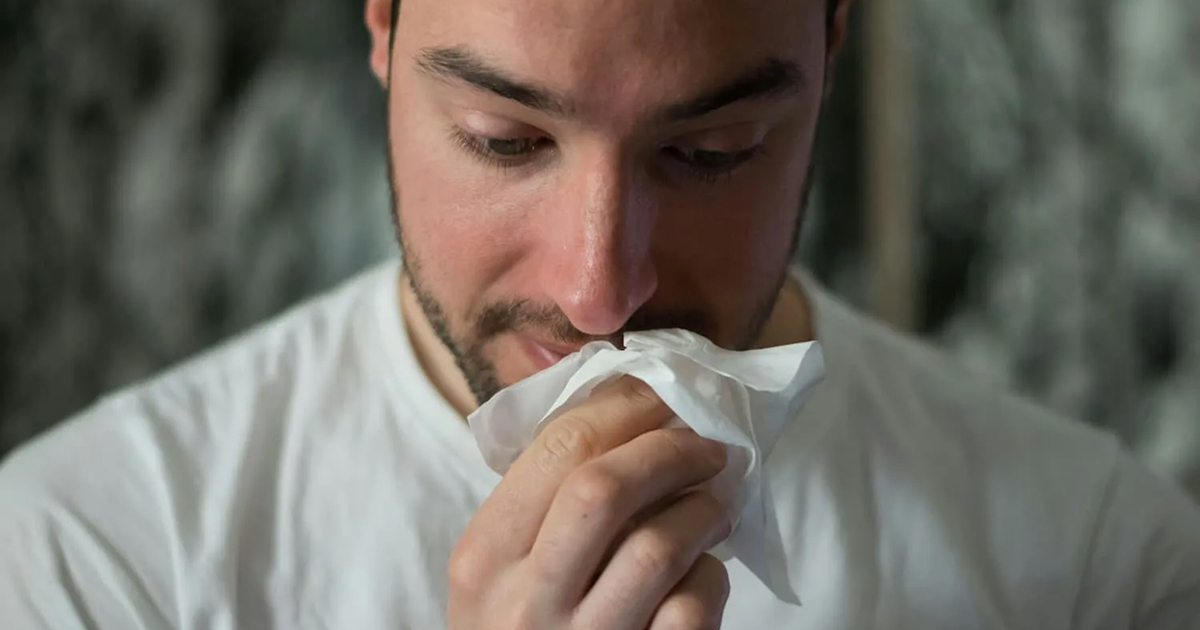
Most people see mould as an ugly nuisance, something to wipe away and forget. But what many don’t realise is that mould isn’t just unsightly, it can make you ill.
Whether it’s lurking behind the bathroom tiles or hiding beneath your floorboards, mould can seriously affect your health over time, especially if left untreated.
In this blog, we’ll break down exactly how mould can make you sick, what symptoms to watch for, and what to do if you suspect your home is the cause.
What is mould, and why is it a health risk?
Mould is a type of fungus that reproduces by releasing tiny airborne spores. These spores are invisible to the naked eye, and when inhaled, they can irritate the body, particularly the lungs, skin, and immune system.
Some types of mould are more dangerous than others. Black mould (Stachybotrys chartarum) is the one that usually raises alarm bells, but even common household moulds can lead to health issues if exposure is prolonged.
What are the health symptoms of mould exposure?
The effects of mould can range from mild irritation to serious illness, depending on your overall health, the amount of mould, and how long you’ve been exposed.
😷 Common symptoms include:
- Persistent coughing or wheezing
- Nasal congestion or sinus issues
- Sore throat or difficulty breathing
- Headaches or fatigue
- Itchy skin, rashes, or eczema flare-ups
- Red, itchy, or watery eyes
If symptoms seem to improve when you leave the house and return when you’re home, mould may be the culprit.
Who is most at risk from mould?
While mould can affect anyone, some groups are far more vulnerable to the health impacts:
1.Children and babies
Young lungs are still developing, making them especially sensitive to airborne spores.
2. Elderly individuals
Ageing immune systems make it harder to fight off respiratory infections triggered by mould.
3. People with respiratory conditions
Asthma, COPD, or even seasonal allergies can worsen in a mouldy environment.
4. Allergy sufferers
Those with existing sensitivities may experience stronger or more frequent allergic reactions.
Can mould make you seriously ill?
In some cases, yes. Long-term or high-level exposure to mould has been linked to more serious conditions, including:
- Chronic bronchitis
- Lung infections (especially in people with weakened immune systems)
- Toxic mould syndrome (from exposure to mycotoxins released by certain moulds)
- Hypersensitivity pneumonitis – an inflammation of the lungs triggered by repeated exposure
While rare, these conditions can have a lasting impact on your health if not treated early.
What about mental health?
Believe it or not, mould can affect your mental well-being too. Living in a damp, musty-smelling environment can lead to:
- Poor sleep quality
- Low mood or anxiety
- Difficulty concentrating
- General fatigue and low energy
It’s easy to overlook the emotional strain that comes from living in a home that doesn’t feel clean or healthy.
What should you do if you think mould is making you sick?
1. Don’t ignore the symptoms
If you’re experiencing recurring health issues that improve when you leave the house, mould should be considered a possible cause.
2. Inspect your home
Check behind furniture, under sinks, around windows, and in corners of ceilings. Mould often hides in places you rarely look.
3. Don’t just clean it, fix it
Wiping visible mould may help short-term, but unless you remove the source of moisture, it will return.
4. Get a professional assessment
At Dwelling Doctors, we offer comprehensive mould investigations to identify hidden sources, treat affected areas, and prevent it from coming back.
Article Author

Scott Evans
Scott Evans is the founder and CEO of Dwelling Doctors