Condensation control: Simple strategies that actually work
Blog Categories
This Articles Tagged Categories
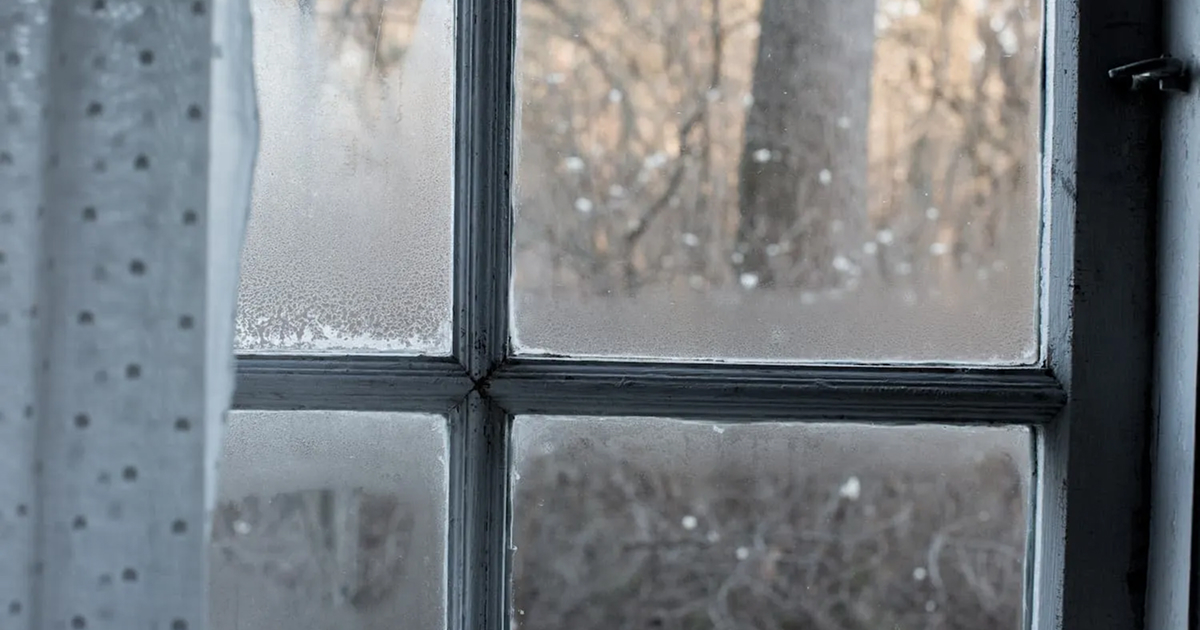
Condensation is one of the most common problems homeowners face in the UK. Left unchecked, it can lead to black mould, damp patches, peeling paint, and even structural damage. Beyond the property itself, condensation can also create unhealthy living conditions that affect your family’s wellbeing.
At Dwelling Doctors, we know that many households struggle with persistent condensation issues, often wasting time and money on quick fixes that don’t last. That’s why we’ve put together some straightforward, proven strategies that genuinely work to control condensation in your home.
What causes condensation?
Condensation occurs when warm, moist air comes into contact with a cold surface – such as windows, external walls, or uninsulated corners. Everyday activities like cooking, showering, and even breathing release moisture into the air, and without proper ventilation, this moisture builds up and condenses.
1. Improve airflow with ventilation
Good ventilation is one of the most effective ways to combat condensation. Simple measures include: Opening windows for short periods, even during winter. Using trickle vents on windows to allow continuous airflow. Installing extractor fans in kitchens and bathrooms to remove excess moisture at the source. For homes with ongoing issues, bespoke ventilation systems may be required to ensure a steady flow of fresh air and a healthier indoor environment.
2. Heat your home consistently
Condensation thrives on cold surfaces. Keeping your home at a consistent, steady temperature helps prevent walls and windows from cooling too much, reducing the chance of moisture settling. Even a low level of background heating can make a big difference in winter months.
3. Reduce moisture at the source
A few small lifestyle adjustments can cut down the amount of moisture you generate indoors: Keep lids on saucepans when cooking. Dry clothes outside whenever possible (or use a vented tumble dryer). Avoid placing furniture directly against external walls, as this traps moisture. Wipe down windows and sills regularly to remove surface condensation before it builds up.
4. Insulate and upgrade where needed
Poorly insulated walls, single glazing, and unheated rooms are hotspots for condensation. Upgrading to double glazing, adding loft or wall insulation, and ensuring radiators are working efficiently will all help keep surfaces warmer and less prone to condensation.
5. Seek professional support for persistent problems
Sometimes, no matter how many steps you take, condensation continues to be an issue. This could point to underlying problems with ventilation, insulation, or damp. A home survey from Dwelling Doctors can identify the root cause and provide tailored solutions – saving you money and stress in the long run.
Condensation is not just an inconvenience – it’s a sign that your home’s ventilation and insulation may not be performing as they should. By improving airflow, reducing excess moisture, and ensuring your property is properly insulated, you can keep condensation under control and protect both your home and your health.
At Dwelling Doctors, we specialise in diagnosing and resolving condensation, mould, and damp problems for homes across the UK.
Article Author

Scott Evans
Scott Evans is the founder and CEO of Dwelling Doctors