Does condensation mean my house is too cold?
Blog Categories
This Articles Tagged Categories
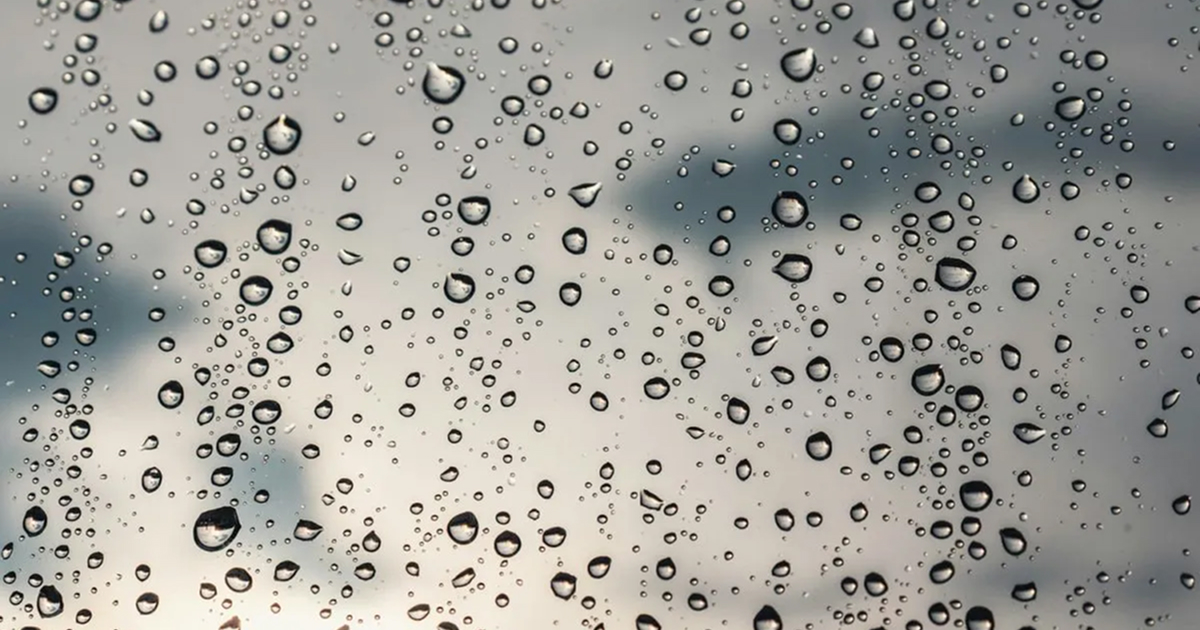
Condensation: it’s that misty film on your windows, the occasional drip down the walls, and sometimes even the silent culprit behind black mould. But what does it really mean when your home is battling condensation?
One of the most common questions we get at Dwelling Doctors is: “Does condensation mean my house is too cold?”
The short answer? Often, yes, but it’s not the full story.
What causes condensation?
Condensation happens when warm, moist air hits a cold surface, like your windows, walls, or ceilings, and cools down quickly. This sudden temperature drop causes the moisture in the air to turn back into liquid, leading to visible water droplets.
Everyday activities like cooking, showering, drying clothes indoors, and even breathing add moisture to your indoor air. Without proper ventilation or heating, that moisture has nowhere to go, and that’s when condensation sets in.
Is condensation a sign your house is too cold?
In many cases, yes. A cold home means more cold surfaces, and cold surfaces are magnets for condensation.
Here’s why:
- Cold surfaces = higher risk: The colder your walls or windows are, the more likely warm air will condense when it comes into contact with them.
- Poor heating = poor moisture control: Without consistent heating, your home’s air stays cooler, which can’t hold as much moisture. This leads to moisture settling on surfaces.
- Cold spots attract damp: Areas of your home that stay chilly, like corners, behind furniture, or in unheated rooms—are prime targets for condensation and, eventually, damp and mould.
So while condensation isn’t only caused by a cold home, a cold home definitely makes it worse.
Why you shouldn’t ignore condensation
At first, condensation might just seem like an annoyance. But over time, it can lead to much bigger issues:
- Black mould on walls and ceilings
- Damage to paint, plaster, and wallpaper
- Health issues, especially for people with asthma or allergies
- Rotting window frames and structural materials
The longer you leave it, the more costly it becomes to fix.
How to reduce condensation in a cold house
Here are some practical steps to fight condensation and warm your home up at the same time:
1. Improve Ventilation
Use extractor fans in kitchens and bathrooms, keep trickle vents open, and crack open windows regularly to let moist air escape.
2. Keep Your Home Consistently Warm
Maintaining a steady temperature helps keep surfaces warm and reduces the chance of condensation forming. Even low-level heating throughout the day is better than blasting the heating in short bursts.
3. Insulate Properly
Good insulation prevents walls from becoming cold surfaces in the first place. Cavity wall insulation, loft insulation, and double glazing all help reduce condensation risks.
4. Dry Clothes Smartly
Avoid drying clothes on radiators or inside rooms without proper ventilation. If possible, dry clothes outside or in a well-ventilated space with a dehumidifier running.
Still seeing condensation? Call Dwelling Doctors
If you’ve tried everything and you’re still battling condensation, your home could have deeper underlying issues, like poor insulation, hidden damp, or inadequate airflow. At Dwelling Doctors, we specialise in diagnosing and fixing home health problems just like this.
Whether it’s condensation, mould, or damp, we’ll pinpoint the cause and give you a clear, affordable solution that works for your property and your budget. Give us a message here.
Article Author

Scott Evans
Scott Evans is the founder and CEO of Dwelling Doctors