How condensation can damage your walls, paint and plaster
Blog Categories
This Articles Tagged Categories
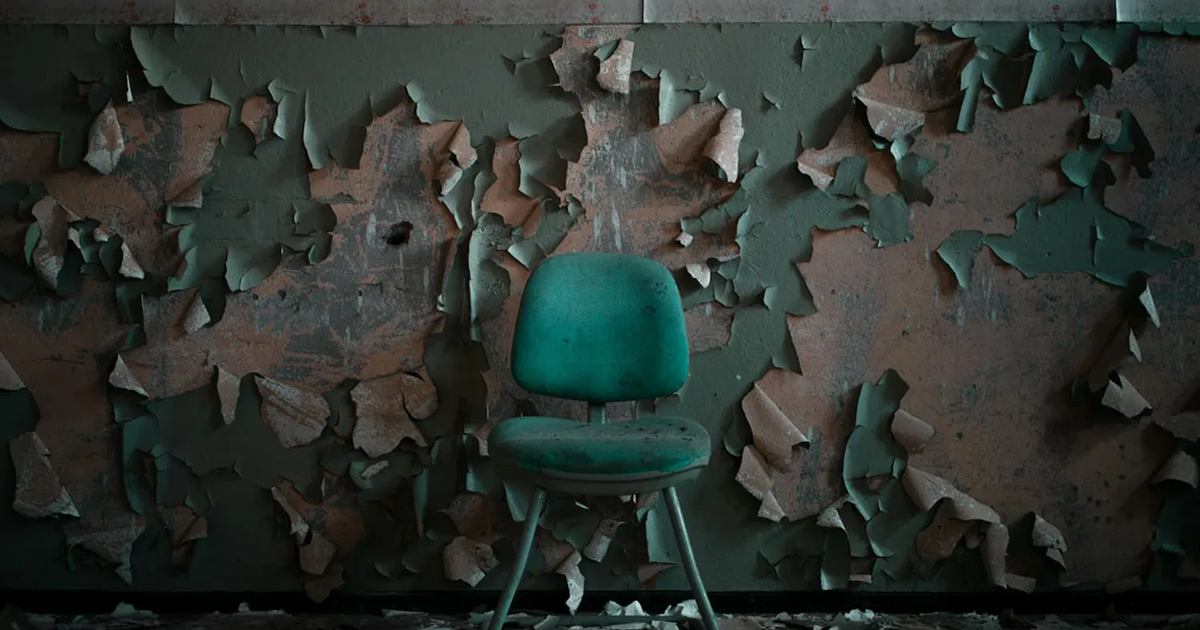
Condensation is a common problem in homes, especially in colder months when warm indoor air meets cold surfaces. While it may seem like a minor inconvenience, condensation can cause significant damage to walls, paint, and plaster over time. If left untreated, this can lead to costly repairs and even structural issues. Understanding the causes of condensation and how to prevent it can help protect your home from long-term damage.
How does condensation form?
Condensation occurs when warm, moisture-laden air comes into contact with cold surfaces, such as walls and windows. The moisture in the air cools and turns into water droplets, which settle on these surfaces. Over time, persistent condensation can cause damage, particularly in areas with poor ventilation.
Common causes of condensation include:
- Insufficient ventilation – Poor airflow traps moisture indoors, allowing it to settle on walls.
- Cold external walls – Heat loss through poorly insulated walls creates cold surfaces that attract condensation.
- Daily activities – Cooking, showering, drying clothes indoors, and even breathing add moisture to the air.
- Inconsistent heating – Drastic temperature changes cause moisture to condense on walls and ceilings.
The impact of condensation on walls, paint, and plaster
1. Damp stains and peeling paint
One of the earliest signs of condensation damage is discoloured patches on walls. These damp stains often appear as dark or yellowish marks and can worsen over time. As moisture continues to soak into the paint, it can cause bubbling, peeling, or flaking, leaving walls looking unsightly.
2. Mould growth
Persistent condensation creates the perfect environment for mould spores to thrive. Black mould is commonly found on damp walls and ceilings, particularly in poorly ventilated areas such as bathrooms and bedrooms. Not only is mould unsightly, but it can also cause health issues, particularly for those with respiratory conditions or allergies.
3. Damage to plaster and structural integrity
When condensation repeatedly soaks into walls, it can begin to weaken the plaster. Over time, this can lead to:
- Crumbling or disintegrating plaster
- Bulging or warped surfaces
- Structural weakening if moisture reaches deeper into the walls
If left untreated, severe damp problems may require extensive repairs, including re-plastering or even replacing sections of the wall.
4. Musty odours and persistent damp
As condensation damage progresses, walls can develop a musty smell due to damp penetration. This odour is often a sign of hidden mould growth or decaying plaster behind the surface. If you notice persistent damp smells, it’s essential to address the issue before it worsens.
How to prevent condensation damage
1. Improve ventilation
Good airflow is essential in preventing condensation build-up. You can improve ventilation by:
- Opening windows regularly to allow fresh air in.
- Using extractor fans in kitchens and bathrooms to remove excess moisture.
- Installing trickle vents on windows for continuous air circulation.
2. Maintain consistent heating
Keeping a steady indoor temperature prevents walls from becoming too cold. This helps reduce the likelihood of condensation forming. Consider:
- Using a thermostat to maintain a consistent temperature.
- Keeping radiators unobstructed to allow heat distribution.
- Installing insulation to reduce heat loss through walls and ceilings.
3. Use anti-condensation paint
Applying anti-condensation or mould-resistant paint can help protect walls from moisture damage. These specialist paints create a barrier that reduces moisture penetration and inhibits mould growth.
4. Reduce indoor humidity
Lowering indoor humidity levels can significantly reduce condensation. Effective ways to do this include:
- Using a dehumidifier in high-moisture areas.
- Drying clothes outdoors or using a vented tumble dryer.
- Covering pots and pans while cooking to reduce steam release.
5. Address structural issues
If condensation damage is recurring, it may indicate a deeper problem with the building’s structure. Landlords and homeowners should:
- Check for cracks or leaks that may be allowing moisture to seep into walls.
- Ensure that external walls are properly insulated to prevent cold spots.
- Maintain gutters and downpipes to prevent water ingress.
When to seek professional help
If condensation damage is severe or persistent, professional intervention may be necessary. Dwelling Doctors offer expert advice and solutions to tackle condensation, damp, and mould issues, helping you protect your home from long-term damage.
For further information on housing and damp prevention, visit GOV.UK housing health guidance.
Article Author

Scott Evans
Scott Evans is the founder and CEO of Dwelling Doctors