Is it safe to wipe mould off walls?
Blog Categories
This Articles Tagged Categories
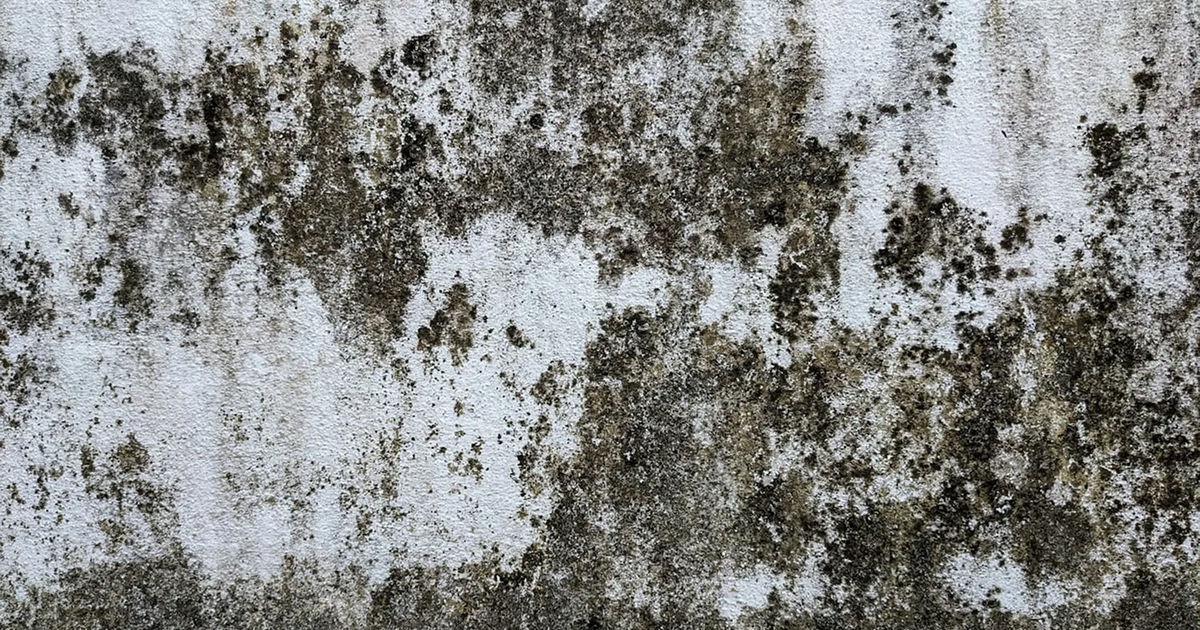
Mould is more than just an unsightly nuisance – it can pose serious health risks and indicate deeper problems within your home. If you’ve spotted black or green patches creeping across your walls, your first instinct might be to grab a cloth and wipe it away. But is it safe to wipe mould off walls? Let’s find out.
The short answer: Not always
Wiping mould off your walls may seem like a quick fix, but it doesn’t always address the root cause – and in some cases, it could make things worse.
While light surface mould caused by condensation might be safe to remove with proper precautions, deeper, more widespread growth needs professional attention.
The risks of wiping mould without care
Spreading spores into the air
- When disturbed, mould releases microscopic spores into the air. These can spread to other areas of your home or be inhaled, aggravating conditions like asthma, allergies, or respiratory issues.
Masking a bigger problem
- Mould is often a sign of excess moisture, poor ventilation, or hidden leaks. Simply wiping it away may temporarily hide the issue, but it won’t solve the problem.
Health hazards
- Black mould (Stachybotrys) in particular can be toxic. Coming into contact with it – especially without gloves, masks or adequate ventilation – may cause skin irritation, headaches, or more serious health issues in vulnerable people.
When is it safe to wipe mould off?
You can safely wipe mould off walls only if:
- The mould covers a small area (less than 1m²).
- It’s caused by surface condensation, not a leak or rising damp.
- You’re using the correct protective equipment: gloves, mask, and goggles.
- The room is well-ventilated during and after cleaning.
- You follow up with steps to stop it coming back (like improving airflow or using a dehumidifier).
For any large patches, recurring mould, or mould accompanied by a damp smell or staining, it’s best to call in a professional.
How to wipe mould safely (if it’s mild)
If you’re dealing with a small, isolated patch and want to clean it yourself, here’s how:
- Wear gloves, a mask and eye protection
- Mould spores can be harmful if inhaled or touched.
- Open windows and doors
- Ventilation is key to prevent spore build-up.
- Use an anti-mould cleaner or diluted vinegar
- Spray the affected area and leave it for 10-15 minutes.
- Wipe gently with a disposable cloth
- Avoid scrubbing, which can release more spores.
- Dispose of cloths immediately
- Bag them and wash your hands thoroughly.
Preventing mould from returning
Even after cleaning, mould can come back unless the conditions that caused it are resolved. To keep your home mould-free:
- Use extractor fans in kitchens and bathrooms
- Open windows daily to allow airflow
- Dry clothes outdoors where possible
- Check for leaks in roofs, pipes or windows
- Consider a professional damp survey if it keeps returning
Article Author

Scott Evans
Scott Evans is the founder and CEO of Dwelling Doctors