Is your home making your asthma worse?
Blog Categories
This Articles Tagged Categories
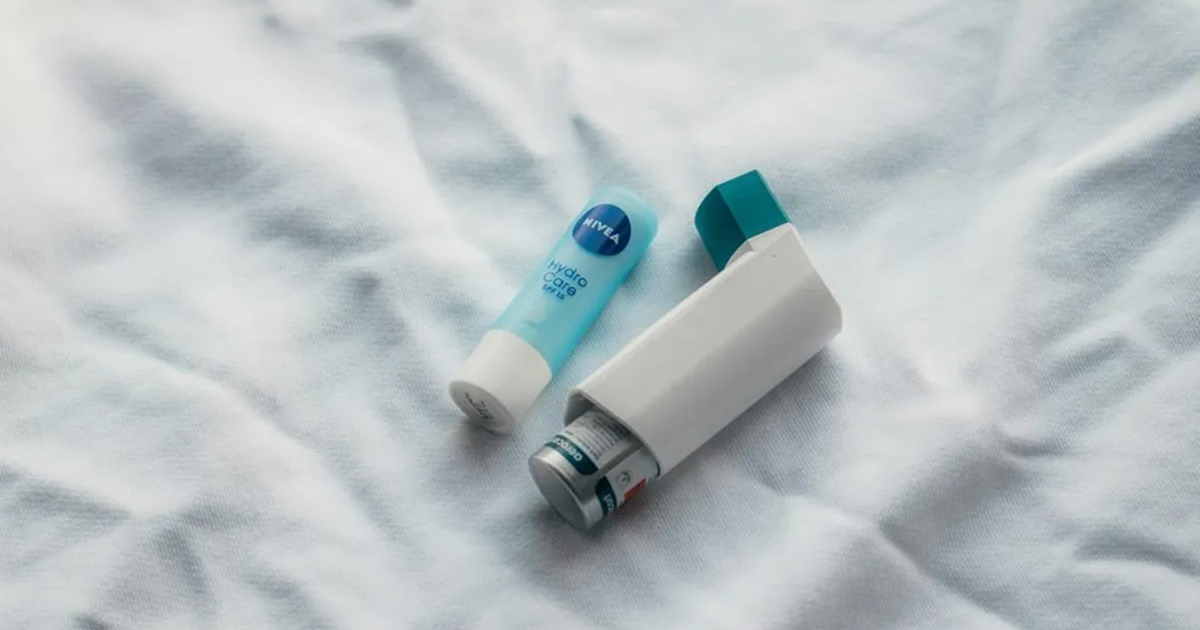
Asthma affects over 5 million people in the UK, and many don’t realise their home could be making it worse.
If you’re constantly coughing, wheezing, or relying more on your inhaler when you’re indoors, the culprit could be mould, damp, or poor ventilation. In this post, we’ll explain how your home environment affects asthma, and how Dwelling Doctors can help you breathe easier.
What’s the link between mould and asthma?
Mould thrives in damp, humid spaces, and releases tiny spores into the air that can irritate your lungs and trigger asthma symptoms.
According to the NHS and Asthma + Lung UK, mould spores are a known asthma trigger, especially for those with mould allergies, chronic respiratory issues, or weakened immune systems. Even short-term exposure can worsen symptoms like:
- Chest tightness
- Coughing
- Wheezing
- Shortness of breath
Common Places Mould Hides in Your Home
You might not even see the mould, but that doesn’t mean it’s not there. These are the top problem areas:
- Bathrooms – especially behind toilets, under sinks, and around windows
- Bedrooms – behind furniture, in wardrobes, or on external-facing walls
- Kitchens – around extractor fans, under units, and near leaks
- Lofts & basements – poor insulation often leads to hidden mould growth
If you notice a musty smell, dark patches on walls or ceilings, or condensation on your windows, it’s time to take action.
Why condensation is more than just a nuisance
Condensation is one of the biggest causes of damp and mould in UK homes. When warm, moist air hits a cold surface (like a window or external wall), it turns into water droplets, creating the perfect breeding ground for mould.
Common causes of condensation include:
- Poor ventilation
- Drying clothes indoors
- Cooking without extractor fans
- Insufficient heating or insulation
Over time, this repeated exposure creates an unhealthy indoor environment that can seriously affect anyone with asthma.
How Dwelling Doctors can help
At Dwelling Doctors, we specialise in mould removal, condensation control, and creating healthier indoor environments.
Here’s how we help:
✅ Full property assessments
✅ Safe, professional mould removal
✅ Installation of ventilation systems to reduce damp
✅ Expert advice on maintaining an asthma-friendly home
We don’t just treat the symptoms, we fix the root cause. Give us a message here if you need help.
5 signs your home could be making your asthma worse
- You feel better when you’re away from home
- Your windows are constantly misted up
- You smell damp or musty odours
- You see black spots on walls or ceilings
- Your asthma gets worse in colder, wetter months
Article Author

Scott Evans
Scott Evans is the founder and CEO of Dwelling Doctors