Should you open your windows in winter to stop condensation?
Blog Categories
This Articles Tagged Categories
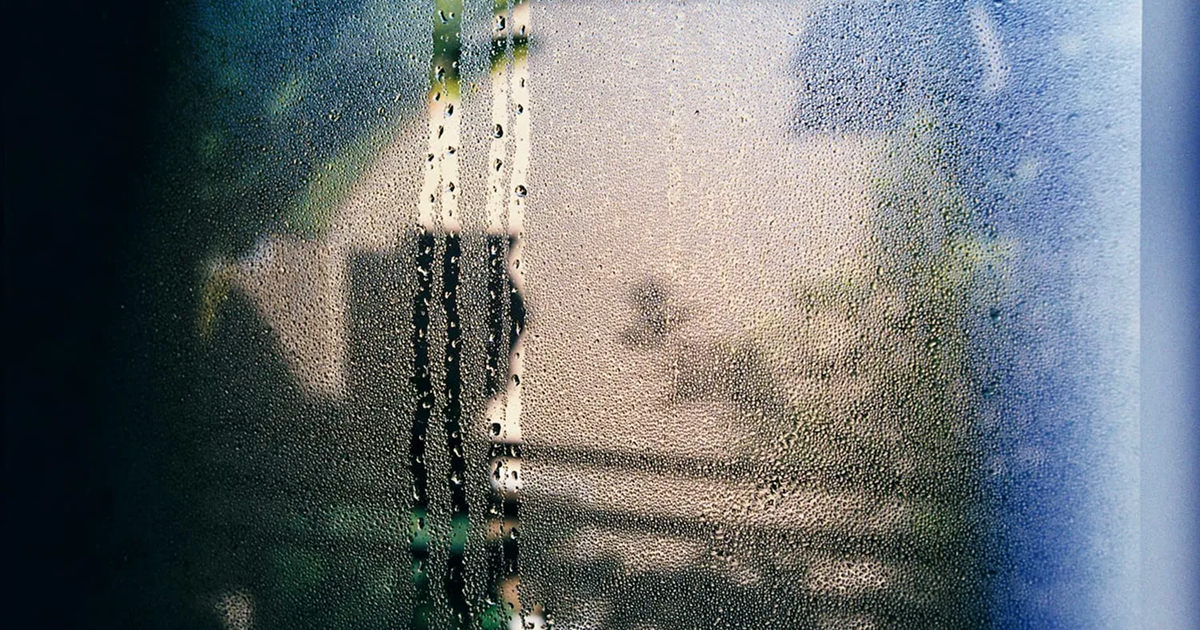
When winter rolls in, most of us shut the windows tight, crank up the heating, and try to keep every bit of warmth inside. But then… the condensation shows up.
Steamy windows, damp walls, and even black mould. So, what’s the fix?
One of the most common questions we hear at The Dwelling Doctors is: “Should I really open my windows in winter to stop condensation?”
The short answer: Yes (but there’s a smart way to do it)
It might feel completely counterintuitive, but yes, opening your windows briefly in winter can help reduce condensation, and even prevent damp and mould from taking hold.
Why? Because condensation isn’t just a temperature problem, it’s a moisture and airflow problem.
Why condensation happens in winter
During colder months, your home naturally becomes a trap for moisture. Every time you:
- Boil the kettle
- Run a hot bath or shower
- Cook dinner
- Dry clothes indoors
- Or even breathe…
…you’re adding moisture to the air.
And since cold air can’t hold as much moisture as warm air, that excess moisture needs somewhere to go. If it has nowhere to escape, it settles on the coldest surfaces, usually your windows and external walls. That’s condensation.
How opening windows helps
When you open a window, even for just 5–10 minutes, you’re giving that trapped moisture a way out. You’re also letting fresh, dry air in, reducing indoor humidity.
Here’s the science behind it:
Cold outside air may feel chilly, but it holds less moisture than warm indoor air.
When it comes inside, it dilutes the humid air in your home.
This lowers the overall humidity level, making condensation less likely.
It’s a bit like letting your home “breathe.”
The right way to open windows in winter
You don’t need to freeze your entire house just to fix condensation. Here’s how to do it properly:
1. Ventilate for short periods
Open windows in bursts, 5 to 10 minutes at a time, ideally in the morning when humidity is at its highest.
2. Focus on high-moisture areas
Target your kitchen, bathroom, and bedrooms. These are the hotspots for moisture build-up.
3. Use trickle vents (if you have them)
Modern windows often have trickle vents, keep them open year-round. They allow continuous airflow without losing too much heat.
4. Open windows on opposite sides (if you can)
This creates a cross-breeze and improves airflow. Even on a chilly day, it can clear out moisture fast.
Other smart ways to stop condensation in winter
✅ Use extractor fans when cooking and showering
✅ Wipe down windows in the morning to remove surface moisture
✅ Don’t dry clothes on radiators, use a ventilated room or a dehumidifier
✅ Keep furniture slightly away from walls to allow air to circulate
✅ Heat your home consistently, even low-level heating helps
Still struggling with condensation?
Sometimes, even with proper ventilation, condensation keeps coming back. That could be a sign of:
- Poor insulation
- Cold bridging
- Hidden damp
- Blocked or ineffective ventilation systems
That’s where Dwelling Doctors come in. We don’t just guess, we diagnose. Our expert team can assess your property and give you a clear plan to eliminate condensation for good.
Get in touch with us here.
Article Author

Scott Evans
Scott Evans is the founder and CEO of Dwelling Doctors