The impact ignoring condensation in your home causes
Blog Categories
This Articles Tagged Categories
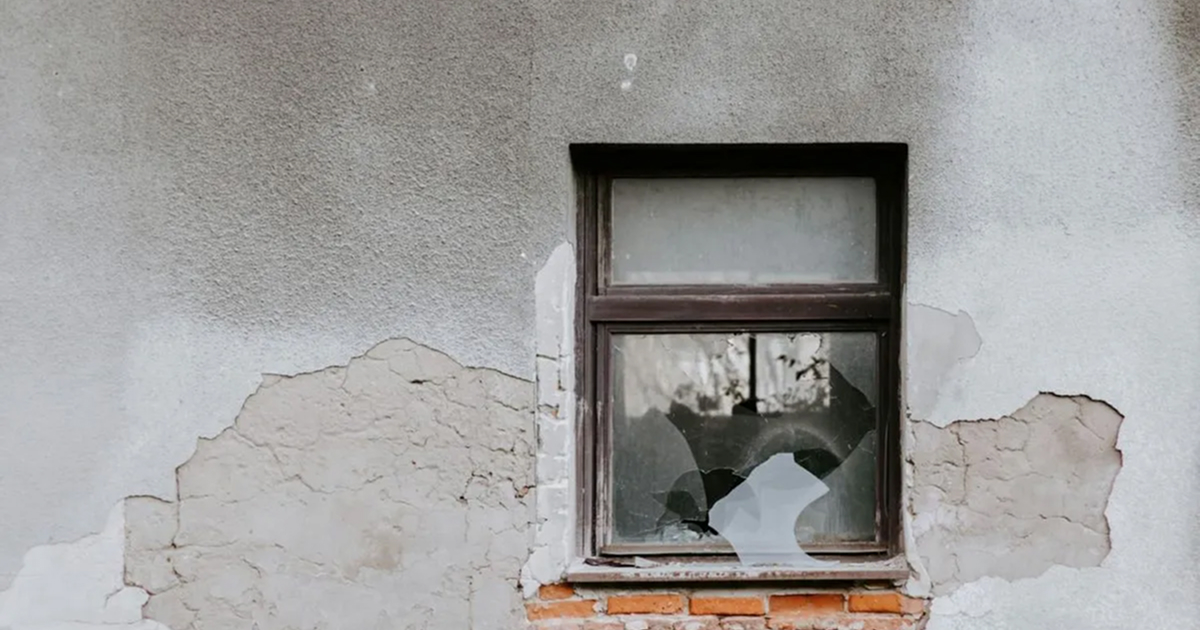
Condensation is a common problem in many UK homes, especially in a country known for its damp and rainy weather. Yet, for many homeowners and property managers, it remains an overlooked issue. Ignoring condensation might seem harmless at first, but its long-term effects can lead to significant problems. From structural damage to health issues, understanding these impacts is crucial for anyone looking to maintain their property. In this listicle, we’ll explore the often unseen consequences of ignoring condensation and offer practical advice on prevention and management.
Structural damage
One of the most significant long-term impacts of ignoring condensation is structural damage. Over time, constant exposure to moisture can weaken your home’s framework. Wooden beams, floors, and other structural elements can become warped or rotten. This is especially problematic in older homes, where wooden structures are more prevalent.
For instance, a study by the UK Building Research Establishment found that unchecked condensation can reduce the lifespan of wooden structures by up to 50%. Regular inspections and proper ventilation can mitigate these risks, preserving your home’s structural integrity.
Mould and mildew growth
Condensation creates the perfect environment for mould and mildew to flourish. These fungi thrive in damp conditions and can quickly spread across walls, ceilings, and floors. Not only do they look unsightly, but they can also release spores into the air, which can be harmful to health.
According to the British Lung Foundation, mould exposure can exacerbate respiratory conditions like asthma and cause symptoms such as coughing and wheezing. To prevent mould growth, it’s essential to address condensation early by ensuring proper ventilation and using dehumidifiers in problem areas.
Damage to interior décor
Ignoring condensation doesn’t just affect your home’s structure; it can also ruin its aesthetic appeal. Persistent dampness can cause paint to peel, wallpaper to bubble, and plaster to crumble. Over time, these issues can lead to costly repairs and redecorations.
A report from UK home insurance providers indicates that claims related to condensation and damp proofing have increased by 20% over the last decade. Simple measures, like installing extractor fans in kitchens and bathrooms and using anti-condensation paint, can help protect your interior décor.
Increased energy bills
Condensation and dampness can also affect your home’s energy efficiency. When walls are damp, they lose heat faster, making it harder to keep your home warm. This means your heating system has to work harder, leading to increased energy consumption and higher bills.
The Energy Saving Trust estimates that dampness can increase heating costs by up to 30%. By addressing condensation issues, you can improve your home’s insulation and reduce your energy costs in the long run.
Health risks
The health implications of living in a damp environment cannot be overstated. Beyond respiratory issues, exposure to mould and damp can lead to allergies, skin irritations, and other health problems. Vulnerable groups, such as children, the elderly, and those with pre-existing health conditions, are particularly at risk.
Public Health England has highlighted the importance of maintaining a dry and well-ventilated home to prevent these health risks. Ensuring adequate airflow and using moisture-resistant materials can help create a healthier living environment.
Pest infestations
A damp home can also attract unwanted pests. Many insects, such as silverfish and woodlice, thrive in moist conditions. These pests can cause additional damage to your property and create an unpleasant living environment.
A study from the Royal Entomological Society found that damp conditions can increase the likelihood of pest infestations by up to 40%. Regularly checking for and addressing sources of condensation can help keep these nuisances at bay.
Reduced property value
Persistent condensation issues can reduce your property’s value. Potential buyers or tenants may be deterred by visible signs of dampness and the associated repair costs. This can make it harder to sell or rent your property at its market value.
A survey by the Royal Institution of Chartered Surveyors found that properties with unresolved damp issues can see a reduction in value by up to 10%. Investing in preventative measures and repairs can help maintain your property’s value and appeal.
Electrical hazards
Condensation can pose serious electrical risks. Moisture can seep into electrical outlets and fixtures, increasing the risk of short circuits and electrical fires. This is a particular concern in older properties where wiring may not be up to modern safety standards.
The Electrical Safety First charity warns of the dangers of damp environments on electrical systems, recommending regular checks and the installation of moisture-resistant wiring solutions.
Long-term maintenance costs
Ignoring condensation can lead to escalating maintenance costs over time. What starts as a small patch of damp can quickly escalate into a significant repair job, involving multiple trades and hefty expenses.
UK property maintenance experts suggest that addressing condensation issues promptly can reduce long-term repair costs by up to 70%. Regular maintenance and preventive measures are key to avoiding these expenses.
Decreased comfort and liveability
Lastly, a home with persistent condensation issues is simply less comfortable to live in. Damp conditions can create an unpleasant, musty smell and a generally uncomfortable living environment.
Ensuring your home is dry and well-ventilated can significantly improve your quality of life. Simple steps, like using moisture absorbers and opening windows regularly, can make a big difference.
Tackle condensation before it’s too late
Condensation may seem like a minor issue, but its long-term impacts can be far-reaching. From health risks to financial costs, the consequences of ignoring this common problem are significant. Addressing condensation early with practical solutions can save you money, protect your home, and ensure a healthy living environment. Don’t wait for the problems to escalate - take action today to safeguard your property’s future.
Article Author

Scott Evans
Scott Evans is the founder and CEO of Dwelling Doctors