The importance of ventilation - How to keep your home healthy all year round
Blog Categories
This Articles Tagged Categories
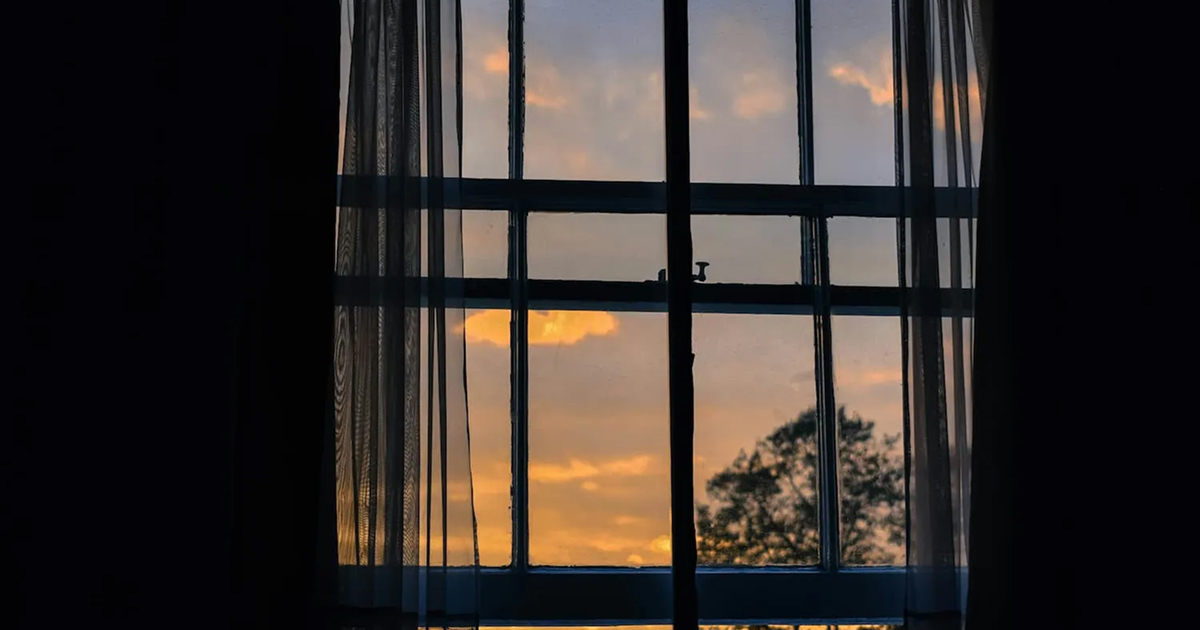
A healthy home isn’t just about clean surfaces and fresh paint – it’s also about the air you breathe. Poor ventilation is one of the biggest causes of damp, condensation, and mould growth in UK homes. It can make rooms feel stuffy, trigger allergies, and even damage the structure of your property.
At Dwelling Doctors, we know that many homeowners underestimate just how crucial good ventilation is. Here’s why ventilation matters, and how you can keep your home healthy in every season.
Why ventilation is so important
Without proper ventilation, moisture from cooking, showering, and even breathing builds up indoors. This creates the perfect conditions for condensation and mould to thrive. Over time, poor air quality can:
- Damage walls, ceilings, and furnishings.
- Worsen health problems such as asthma, allergies, and respiratory conditions.
- Create unpleasant odours and a stuffy living environment.
Ventilation helps to replace stale, moisture-laden air with fresh air – keeping your home safe, comfortable, and energy-efficient.
Signs your home has poor ventilation
If you’re not sure whether your home is properly ventilated, watch out for these warning signs:
- Condensation on windows, especially in the mornings.
- Black mould patches in bathrooms, kitchens, or corners of rooms.
- Musty smells that linger even after cleaning.
- Peeling paint or wallpaper.
How to improve ventilation in your home
1.Make use of natural ventilation
Open windows for short periods each day to let fresh air circulate. Even five minutes can help refresh a room and reduce moisture build-up.
2. Use extractor fans
Extractor fans in kitchens and bathrooms are vital for removing steam and excess moisture at the source. Make sure they vent outside, not just into the loft.
3. Consider trickle vents and air bricks
Small but effective, trickle vents on windows and air bricks in walls allow continuous airflow, helping to keep indoor air quality balanced.
4. Invest in a bespoke ventilation system
For homes with ongoing problems, a mechanical or bespoke ventilation system may be the best solution. These systems maintain steady airflow and can be tailored to suit the specific needs of your property.
Seasonal ventilation tips
- Winter: Keep heating consistent and ventilate briefly each day – don’t seal your home completely.
- Summer: Open windows and doors to create cross-ventilation, but watch for pollen if you have allergies.
- Autumn & Spring: These transitional seasons are ideal for airing out the home after damp or humid spells.
Good ventilation is about more than comfort – it’s a vital part of maintaining a healthy, safe home. By keeping moisture under control, you protect your property, your belongings, and your health.
At Dwelling Doctors, we specialise in diagnosing and solving ventilation problems across the UK. Whether it’s condensation, mould, or persistent damp, our team can recommend the right solution to keep your home fresh and healthy all year round.
Article Author

Scott Evans
Scott Evans is the founder and CEO of Dwelling Doctors