Why does condensation happen in homes? (Explained simply)
Blog Categories
This Articles Tagged Categories
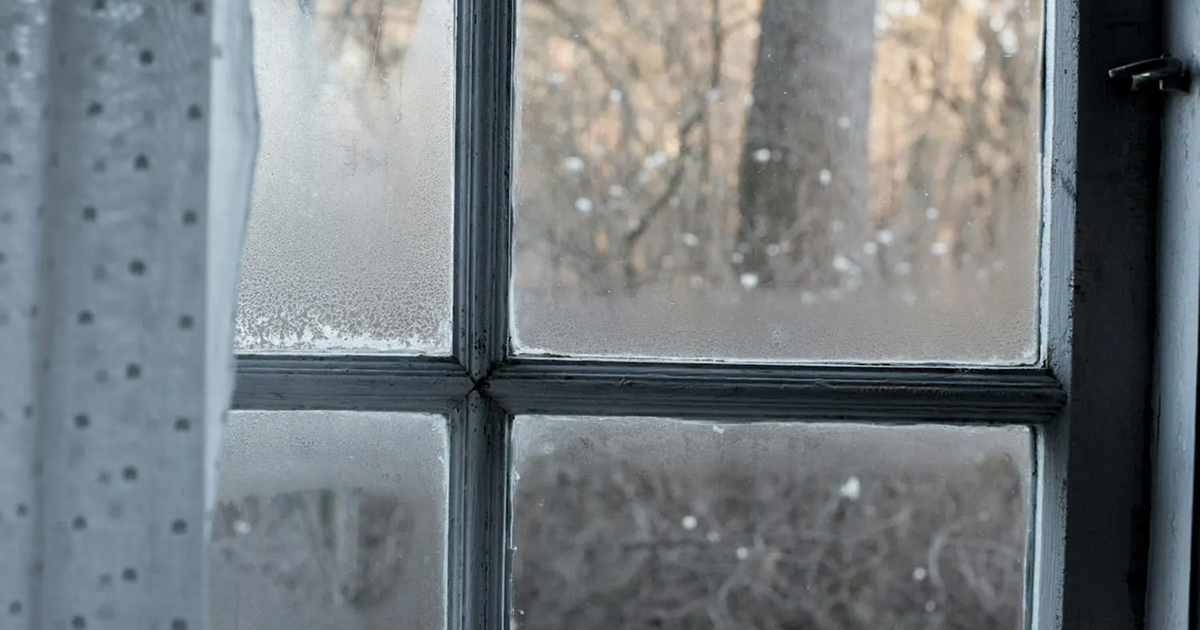
Condensation is one of the most common problems faced by UK households, especially during the colder months. You may notice water droplets forming on windows, damp patches on walls, or even the first signs of mould. But what actually causes condensation in homes, and why does it seem worse in some properties than others? In this guide, we’ll explain condensation in simple terms, look at the main causes, and share practical tips on how to keep it under control.
What is condensation?
Condensation happens when warm, moist air meets a cold surface. The air around us always contains water vapour, but when it cools down quickly, that moisture turns into tiny droplets of water. This is the same process you see when a bathroom mirror fogs up after a hot shower or when a cold glass of water drips on a summer’s day. Inside your home, common cold surfaces include:
- Windows and window frames
- External walls
- Roof spaces and lofts
- Cold corners of rooms with poor air circulation
Everyday causes of condensation in homes
Most households create a surprising amount of moisture every day. Simple activities like:
- Cooking and boiling water – steam rises and spreads through the house.
- Showering or bathing – hot water in enclosed spaces leads to heavy condensation.
- Drying clothes indoors – a single load can release litres of water into the air.
- Breathing while sleeping – people exhale moisture all night, which is why bedroom windows are often misted up in the morning.
Without proper ventilation, this moisture lingers in the air and eventually settles on cold surfaces.
Why is condensation worse in winter?
Condensation tends to be more noticeable in the colder months. This is because:
- Homes are heated more, meaning warm indoor air is constantly meeting cold surfaces.
- Windows and vents are often kept shut, reducing ventilation.
- Cold weather makes walls, windows, and roofs colder, giving the moisture nowhere else to go.
The hidden problems caused by condensation
At first, condensation may just look like water droplets on glass, but if it’s left untreated, it can lead to:
- Mould growth – black spots on walls, ceilings, and around window frames.
- Damp odours – a musty smell that lingers in fabrics, carpets, and furniture.
- Damage to paint and plaster – peeling, staining, and bubbling on interior surfaces. Health risks – especially for children, the elderly, and anyone with asthma or allergies.
Simple ways to reduce condensation
Luckily, there are practical steps you can take:
- Improve Ventilation – Use extractor fans, open trickle vents, and allow air to circulate between rooms.
- Control Moisture at the Source – Put lids on pans, dry clothes outside where possible, and close bathroom doors during showers.
- Maintain a Steady Temperature – Keeping your home at a consistent temperature reduces cold surfaces where condensation can form.
- Consider Professional Ventilation Systems – Options such as Positive Input Ventilation (PIV) units provide a long-term solution.
Article Author

Scott Evans
Scott Evans is the founder and CEO of Dwelling Doctors