Why quick fixes are still failing damp and mould cases
Blog Categories
This Articles Tagged Categories
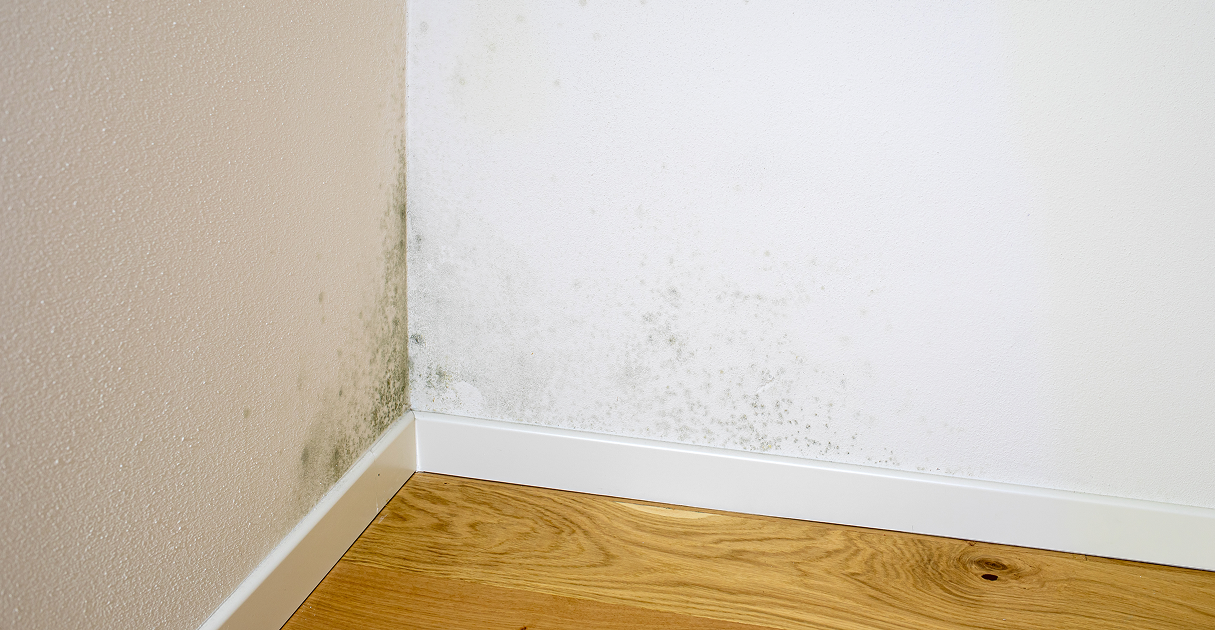
In damp and mould cases, acting quickly matters, but acting without properly understanding the issue is where problems start.
We still see too many properties where mould is cleaned, treated, and signed off, only to return weeks later. Not because the treatment failed, but because the root cause was never addressed.
Mould is a sign something is wrong
Mould develops when the conditions inside a property allow it to.
That usually comes down to excess moisture and how effectively it is being managed. In many cases, the missing piece is ventilation.
Not always absent but often underperforming.
If moisture is being generated through everyday living and is not removed properly, it settles into the building. Over time, that creates the environment mould needs.
Cleaning removes what you can see. It does not change those conditions.
The cost of getting it wrong first time
When the root cause is missed, the same issue repeats.
Multiple call-outs. Ongoing complaints. Increasing pressure on teams to respond. What should have been a straightforward fix becomes a long-running problem.
Under Awaab’s Law, that risk is even more significant. It is not just about responding quickly. It is about making sure the response is right.
Why diagnosis matters
No two properties behave in exactly the same way. Two homes may show similar mould, but the cause can be completely different. That is why a one-size approach rarely works.
A proper survey looks at how moisture is generated, how air moves through the property, and where the imbalance sits. From there, a tailored solution can be designed to actually resolve the issue.
This might include targeted ventilation improvements, alongside remediation where needed.
Prevention and cure go hand in hand
Treating mould without changing the underlying conditions means it will come back.
Improving conditions without addressing existing contamination means the problem is not fully resolved.
Both need to be done properly.
Getting it right, once
The most effective approach is also the simplest. Understand the property. Identify the cause. Put the right solution in place.
Because in damp and mould cases, covering it up is never the same as fixing it.
Article Author

Lee Cummins
Lee is the Chief Operations Officer of Dwelling Doctors.